
Blackrock Foundry stands as a testament to the mechanical ingenuity and design prowess of the Warlords of Draenor expansion in World of Warcraft. This raid encapsulated a blend of innovative mechanics, immersive storytelling, and challenging encounters that resonated with players. Despite the overall mixed reception of the expansion, Blackrock Foundry showcased a high level of craftsmanship that kept players engaged. In this guide, we will delve into the specifications and performance of Blackrock Foundry, exploring its mechanics, strategies, and the lessons learned from its design.
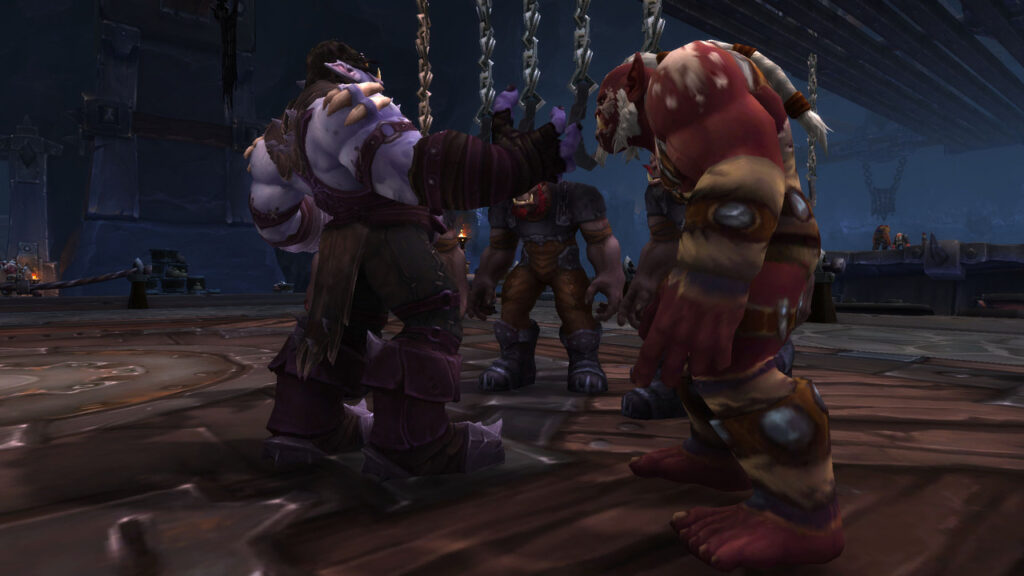
What are the key specifications and performance metrics of Blackrock Foundry?
Blackrock Foundry features 10 bosses across 7 wings, with a maximum item level of 695 and a unique aesthetic that enhances the gameplay experience.
The following table summarizes the key specifications and performance metrics of Blackrock Foundry, allowing players to compare its features with other raids in the expansion. The metrics include boss encounters, item levels, and unique mechanics that define the raid’s experience.
| Number of Bosses | Max Item Level | Raid Size | Unique Mechanics |
|---|---|---|---|
| 10 | 695 | 10/25 | Dynamic Environment |
| 10 | 705 (Mythic) | 10/20 | Multi-Phase Encounters |
| 10 | 720 (Heroic) | 10/20 | Environmental Hazards |
What makes the mechanics of Blackrock Foundry stand out?
The mechanics of Blackrock Foundry are characterized by their complexity and the requirement for precise coordination among raid members.
Blackrock Foundry introduced several unique mechanics that demanded players to adapt quickly and strategize effectively. For instance, the encounter with Gruul required players to manage both positioning and timing to avoid devastating ground effects. The fight mechanics often involved environmental hazards that could change the battlefield dynamically, forcing players to remain vigilant and responsive. Additionally, the multi-phase nature of encounters like Blast Furnace required teams to execute precise rotations and manage resources effectively, showcasing the depth of design in this raid.
Specific formulas and mechanics were also integral to the encounters. For example, the damage output of bosses was often tied to player positioning, with certain abilities scaling based on how many players were within a specific radius. The use of debuffs and buffs, such as the stacking damage from the Blast Furnace’s heat mechanic, required players to communicate effectively to mitigate damage. Historical stats from player performance in Blackrock Foundry indicate that coordination and execution of mechanics were pivotal to success, with many guilds spending weeks mastering the encounters.
Players found success in Blackrock Foundry by employing specific strategies tailored to each boss. For example, during the Kromog encounter, players utilized a combination of cooldowns and positioning to manage the Stone Breath mechanic effectively. Furthermore, understanding the timing of the various phases allowed players to maximize their damage output while minimizing the risk of failure. The synergy between classes and roles was crucial, with many guilds developing specific compositions to tackle the unique challenges presented by each boss.
How can players effectively tackle the challenges in Blackrock Foundry?
Players can tackle the challenges in Blackrock Foundry by employing strategic planning, effective communication, and understanding each boss’s mechanics.
To effectively navigate the challenges posed by Blackrock Foundry, players should prioritize preparation and strategy. Understanding the mechanics of each boss encounter is essential, as it allows players to anticipate and react to in-game events. Additionally, forming a cohesive team with defined roles can significantly enhance performance during encounters. Players should also familiarize themselves with the raid layout and environmental hazards to avoid unnecessary deaths and maximize their contributions.
- Study each boss’s mechanics in detail, focusing on their unique abilities and phases.
- Communicate effectively with your team to ensure everyone understands their roles and responsibilities during encounters.
- Utilize cooldowns and positioning strategically to mitigate damage and enhance survivability.
- Review logs and performance metrics post-raid to identify areas for improvement and refine strategies.
What are the critical parameters for success in Blackrock Foundry?
Success in Blackrock Foundry hinges on understanding encounter mechanics, effective communication, and strategic resource management.
Critical parameters for success in Blackrock Foundry include the ability to adapt to dynamic mechanics and the necessity of teamwork. Players must be aware of their surroundings and react swiftly to environmental changes, such as the shifting hazards present in encounters like the Iron Maidens. Additionally, managing resources such as health and cooldowns is vital, as many fights require precise timing to avoid catastrophic failures. Teams that excel often have a clear understanding of each member’s strengths and weaknesses, allowing them to optimize their raid composition.
Operational recommendations for tackling Blackrock Foundry include conducting thorough pre-raid meetings to discuss strategies and assign roles. Teams should also utilize tools such as voice chat to facilitate real-time communication during encounters. Furthermore, analyzing previous attempts can provide valuable insights into what strategies worked and what adjustments are necessary. By fostering a culture of continuous improvement and open communication, teams can enhance their chances of success in this challenging raid environment.
What troubleshooting strategies can be applied in Blackrock Foundry?
Troubleshooting strategies in Blackrock Foundry involve identifying common pitfalls and implementing corrective measures to enhance performance.
Players may encounter various issues while progressing through Blackrock Foundry, including miscommunication, positioning errors, and failure to adapt to mechanics. Common pitfalls include players standing too close to each other during high-damage phases, leading to unnecessary deaths. Additionally, failing to execute mechanics correctly can result in wipe scenarios, particularly in encounters with strict timing requirements. To address these issues, teams should conduct post-raid reviews to identify recurring problems and develop strategies to mitigate them in future attempts.
What future trends can be anticipated for raids like Blackrock Foundry?
Future trends for raids like Blackrock Foundry may include enhanced mechanics, greater emphasis on environmental storytelling, and more complex multi-phase encounters.
As the gaming landscape evolves, raids are likely to incorporate more sophisticated mechanics that challenge players’ adaptability and strategic thinking. The trend towards environmental storytelling may lead to more immersive raid experiences, where the setting plays a crucial role in the narrative. Additionally, developers may explore the use of technology to create dynamic encounters that change based on player performance, further enhancing the challenge and engagement of raids.
Long-term application parameters for raids will likely focus on maintaining player engagement through innovative design and rewarding gameplay. As players become more skilled, the demand for increasingly complex mechanics will grow, pushing developers to continually refine their approaches to raid design. By embracing these trends, future raids can build upon the foundation established by Blackrock Foundry, ensuring that they remain a central feature of the gaming experience.
Leave a Reply