
The world of World of Warcraft (WoW) is vast and ever-evolving, with Blizzard Entertainment continuously navigating the complexities of maintaining multiple era servers and game versions. As players experience nostalgia with classic servers while others dive into the latest expansions, developers face unique challenges in balancing these differing gameplay experiences. This guide delves into the intricacies of server management, the technical hurdles of maintaining legacy code, and how the community’s feedback shapes the ongoing development process. Through insights from developer interviews, we will explore the multifaceted strategies employed to ensure a seamless experience across various game iterations.
The Technical Challenges of Era Server Management
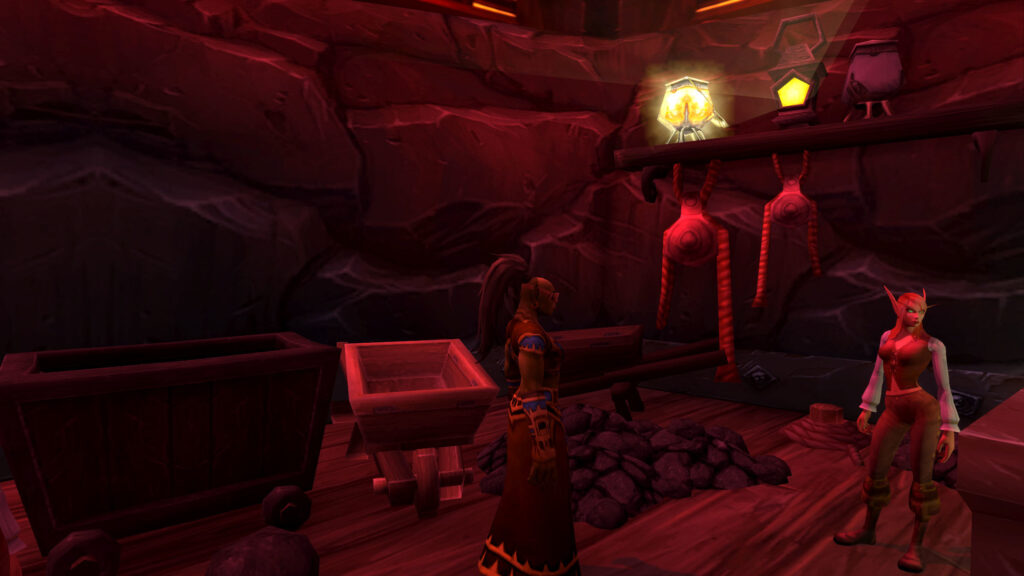
Maintaining multiple era servers requires a robust technical framework to ensure that each version of the game runs smoothly and independently. Developers often grapple with issues such as code divergence, where changes made for one version may inadvertently affect another. Additionally, the complexity of managing player data across different eras necessitates a carefully orchestrated database structure. For instance, developers need to ensure that character progression, achievements, and itemization remain consistent within their respective timelines. As a result, they frequently utilize a system of branching version control and rigorous testing protocols to minimize conflicts and ensure stability.
Balancing Game Mechanics Across Versions
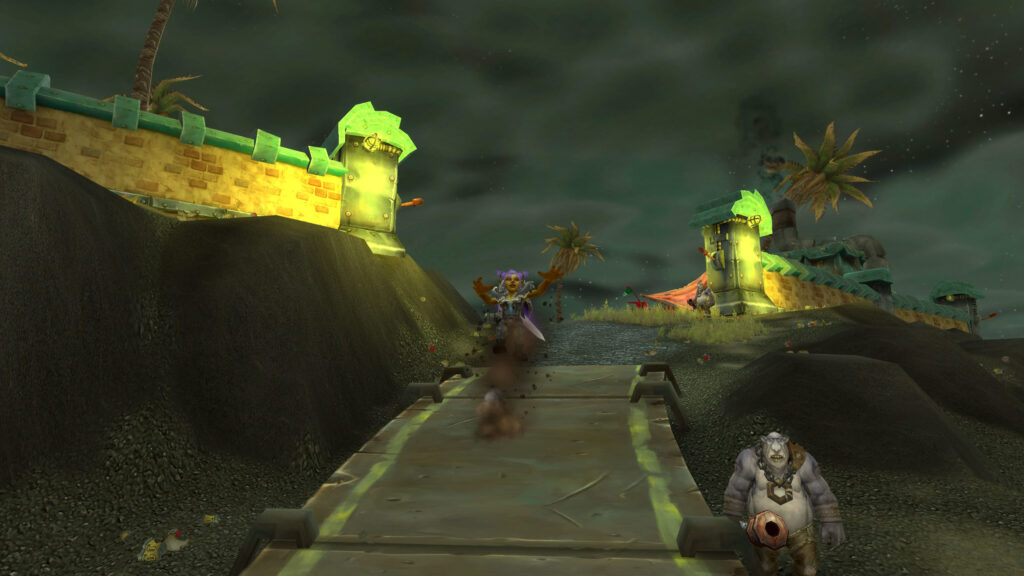
One of the most significant challenges in maintaining multiple game versions is the balance of game mechanics. Each era of WoW has distinct gameplay philosophies and design decisions, leading to varied player expectations. Developers must thoroughly analyze and adjust systems such as talent trees, itemization, and encounter difficulty to cater to both classic and modern audiences. This often involves extensive playtesting and community feedback integration. To illustrate the differences in balancing, consider the following table that summarizes key aspects of various expansions:
| Expansion | Core Mechanics | Player Expectations |
|---|---|---|
| Classic | Slow progression, reliance on community | High social interaction |
| The Burning Crusade | Introduction of hero classes, flying mounts | Increased solo play viability |
| Shadowlands | Renown system, covenant abilities | Fast-paced gameplay, frequent updates |
Community Feedback and Iterative Development
Blizzard has long emphasized the importance of community feedback in shaping its development decisions. The introduction of era servers, for instance, stemmed from overwhelming player demand for a return to classic gameplay. Developers actively monitor forums, social media, and in-game feedback to gauge player sentiment and identify pain points. This iterative approach allows for timely adjustments and enhancements. Developers often categorize feedback into actionable items, leading to the prioritization of changes based on factors such as urgency and impact. Key areas of focus typically include:
- Class balance adjustments
- Quality of life improvements
- Bug fixes and technical optimizations
- Content pacing and release schedules
Legacy Code and Technical Debt
Another notable challenge in maintaining multiple game versions is managing legacy code, which can accumulate technical debt over time. As new features are added and old mechanics modified, the underlying codebase can become increasingly complex and unwieldy. Developers must navigate this legacy code while implementing new systems for era servers, sometimes leading to inefficiencies and bugs. Regular code reviews and refactoring sessions are essential to keep the codebase manageable. Moreover, developers often rely on automated testing tools to identify potential issues before they affect gameplay. This proactive approach is crucial for minimizing disruptions and maintaining player trust.
Looking Ahead: Future of Era Servers
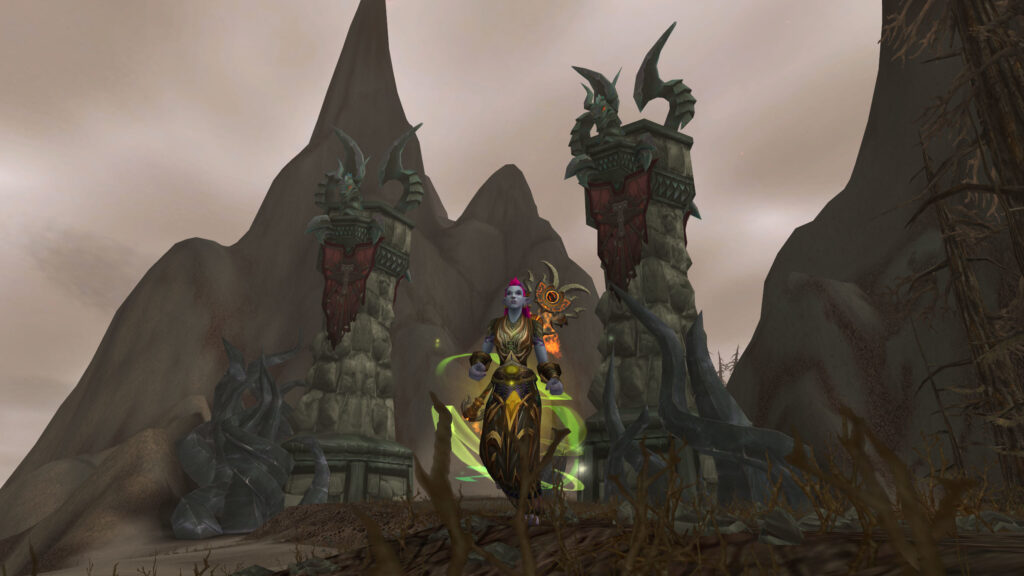
The future of WoW’s era servers remains bright, with Blizzard committed to evolving the experience while respecting the nostalgia that players cherish. Challenges such as balancing ongoing content updates with the technical requirements of legacy systems will continue to shape development strategies. As the community expands and diversifies, developers will need to remain agile and responsive to the changing landscape of player preferences. By fostering an open dialogue with players and investing in robust technical solutions, Blizzard aims to ensure that all players, whether they prefer classic or modern gameplay, enjoy a consistently engaging experience in Azeroth.
Leave a Reply